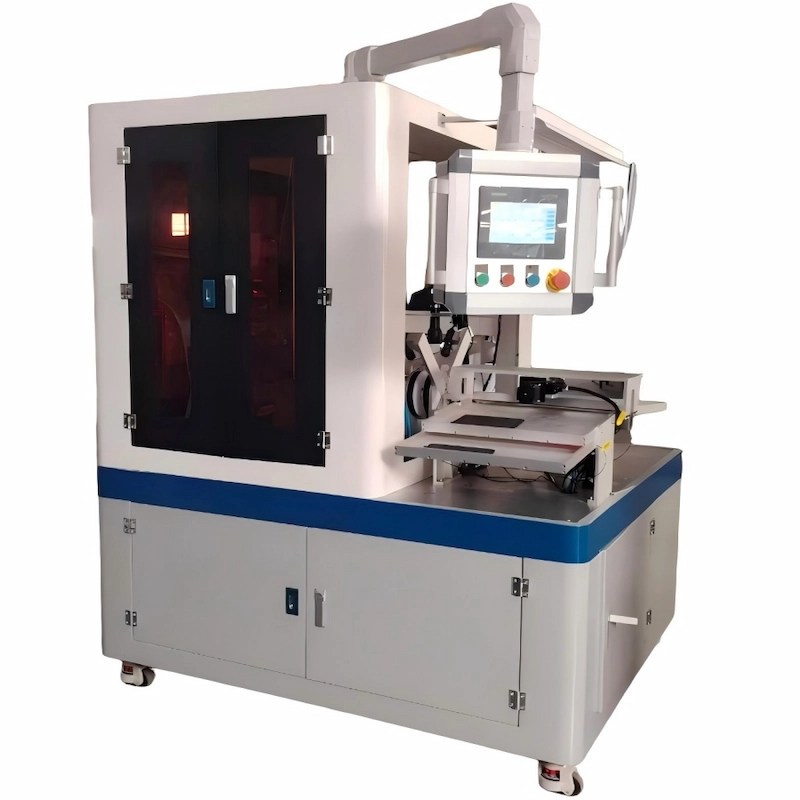
Automatic Vision Inspection Machine for Automotive Screws: Solving Quality Risks, Manual Inspection Limitations, and Production Bottlenecks in Modern Automotive Manufacturing

Introduction: Why Screw Inspection Has Become a Critical Quality Challenge in the Automotive Industry

In modern automotive manufacturing, quality control has reached an unprecedented level of importance. Vehicles today are no longer simple mechanical products; they are highly integrated systems combining mechanical structures, electronics, software, and increasingly electrified powertrains. While much attention is given to engines, motors, batteries, and control systems, one fundamental component is often underestimated: automotive screws and fasteners.

Screws are used everywhere—engine assemblies, chassis structures, body panels, battery packs, electronic control units, and safety-critical systems. A single defective screw can lead to serious consequences such as assembly failure, loosening during operation, abnormal noise, reduced structural strength, or even catastrophic safety incidents. In worst cases, undetected fastener defects can trigger recalls, brand damage, and legal liability.


This is a visual inspection machine for automotive screws, typically used to detect thread defects, dimensional deviations, and surface damage. It is a precision automated device and can be customized to meet factory requirements.

At the same time, automotive manufacturers face increasing challenges:

  • Higher production volumes

  • Greater product variety

  • Shorter model life cycles

  • Rising labor costs

  • Stricter quality standards and traceability requirements

Under these conditions, traditional manual visual inspection is no longer sufficient. This is why the Automatic Vision Inspection Machine for Automotive Screws has become an essential quality assurance solution rather than an optional upgrade.

This article provides a comprehensive, practical, and production-oriented explanation of what this machine is, how it works, where it is used, and—most importantly—how it solves real pain points faced by automotive manufacturers in daily operations.


What Is an Automatic Vision Inspection Machine for Automotive Screws?

An Automatic Vision Inspection Machine for Automotive Screws is a high-precision, non-contact inspection system designed specifically for fasteners used in automotive manufacturing and component production.

By integrating:

  • Industrial cameras

  • Advanced vision algorithms

  • Optimized lighting systems

  • Automated feeding and handling mechanisms

the system performs fully automated inspection of screws without human intervention.

Unlike manual inspection, which depends on human eyesight and experience, vision inspection systems rely on objective, repeatable, and data-driven analysis. Each screw is inspected according to predefined standards, ensuring consistent quality regardless of shift length, operator fatigue, or production speed.


This is a custom-made visual inspection machine for automotive screws, designed for a factory. It can automatically detect thread defects, dimensional deviations, and surface damage, significantly improving inspection efficiency, accuracy, and stability.


Why Manual Screw Inspection Is Failing in Real Production Environments

To understand the value of automated vision inspection, it is important to first examine the limitations of traditional manual inspection methods.

1. Inconsistent Inspection Results

Human inspectors cannot maintain the same level of attention over long periods. Fatigue, distraction, lighting changes, and repetitive work inevitably lead to inconsistency. Two inspectors may judge the same screw differently, and even the same inspector may make different decisions at different times.

In automotive manufacturing, where consistency is critical, this variability creates unacceptable quality risks.

2. Low Efficiency and High Labor Cost

Manual inspection is slow. As production volumes increase, manufacturers must either add more inspectors or accept inspection bottlenecks. Both options increase costs and reduce competitiveness.

In many factories, inspection becomes the limiting factor that prevents production lines from reaching their designed output.

3. Inability to Detect Micro Defects

Many screw defects are subtle:

  • Slight thread deformation

  • Small burrs on the head

  • Micro cracks

  • Minor dimensional deviations

These defects may not be visible to the naked eye but can cause serious problems during tightening or long-term operation. Manual inspection simply cannot detect these defects reliably.

4. Lack of Digital Records and Traceability

Manual inspection produces little or no digital data. When a quality issue is discovered later, it is often impossible to trace which batch, shift, or supplier caused the problem. This makes root-cause analysis slow and unreliable.


Regarding the main components, we use internationally renowned brands, ensuring quality and after-sales service. The automated system generates traceable, automatically generated testing data.


Core Inspection Capabilities of the Automatic Vision Inspection System

The Automatic Vision Inspection Machine for Automotive Screws addresses these limitations by offering comprehensive inspection capabilities tailored to automotive fasteners.

Dimensional Measurement

The system accurately measures key screw dimensions, including:

  • Length

  • Diameter

  • Thread pitch

With an accuracy of ±0.05 mm, the machine ensures that every screw meets design and assembly requirements. Dimensional consistency is critical for automated tightening systems and torque control.

Thread Integrity Inspection

Thread defects are among the most common causes of assembly failure. The vision system detects:

  • Missing threads

  • Damaged threads

  • Disordered or incomplete thread profiles

By identifying these issues before assembly, the system prevents cross-threading, insufficient clamping force, and rework.

Head Geometry and Burr Detection

The screw head must match tightening tools precisely. The system checks head geometry and detects burrs that could interfere with tool engagement or damage mating components.

Surface Defect Detection

Using optimized lighting and image processing, the system identifies surface defects such as:

  • Cracks

  • Dents

  • Corrosion

  • Rust

These defects may indicate upstream material or process issues and can compromise long-term reliability.

Orientation Recognition and Model Differentiation

In flexible production lines where multiple screw models are used, the system can recognize orientation and differentiate between similar-looking screws. This prevents incorrect parts from being installed—a common and costly error in mixed-model production.


Six Industrial Camera Design: Eliminating Inspection Blind Spots

One of the key technical features of this machine is its six industrial camera configuration.

Each camera lens is positioned to capture a different view of the screw, allowing the system to:

  • Measure dimensions at both ends

  • Inspect the full circumference of the thread

  • Detect surface defects from multiple angles

This multi-angle inspection approach eliminates blind spots and significantly improves defect detection accuracy compared with single-camera systems.


This machine uses a configuration of six industrial cameras to detect surface defects from multiple angles, eliminating blind spots and significantly improving defect detection accuracy.


Application Areas in Automotive Manufacturing

The Automatic Vision Inspection Machine for Automotive Screws is widely used across automotive production lines and component manufacturing facilities.

Engine Bolts

Engine fasteners operate under extreme temperature, vibration, and load conditions. Even minor defects can lead to loosening or failure. Vision inspection ensures thread integrity, dimensional accuracy, and surface quality before assembly.

Chassis and Structural Screws

Structural fasteners directly affect vehicle safety. Automated inspection ensures that only qualified screws are used in load-bearing applications.

Body Assembly Fasteners

In body assembly, screw consistency affects fit, finish, and noise performance. Vision inspection ensures uniformity across high-volume production.

Electric Drive and Control System Fasteners

In electric vehicles, screws are used in battery packs, motors, and electronic control units. These applications demand extremely high reliability, making automated inspection essential.


Real-Time Data Upload and Full Production Traceability

One of the most powerful advantages of automated vision inspection is data integration.

Inspection results can be uploaded in real time to MES and SPC systems, enabling:

  • Full traceability of each inspected screw

  • Statistical analysis of quality trends

  • Early detection of process drift

  • Data-driven decision-making

This transforms inspection from a passive quality gate into an active process control tool.


Technical Parameters Overview

  • Inspection type: Appearance inspection

  • Display type: Touch screen

  • Accuracy: 0.05 mm

  • Camera: SONY (optional alternatives available)

  • Software: Vision inspection software

  • Detection efficiency: 10 pcs per minute

  • Material: SUS 304, aluminum

  • Scope of application: Screws, nuts, lathe parts, stamping parts, rubber parts

  • Customization support: OEM, ODM, OBM

  • Package size: 2000 × 2000 × 2000 mm

  • Gross weight: Approximately 320 kg


Why Standard Inspection Equipment Often Fails in Practice

Many manufacturers initially choose standard inspection equipment to reduce upfront investment. However, real production environments quickly expose their limitations.

Common problems include:

  • Generic algorithms not optimized for specific screw designs

  • High false reject rates after product changeover

  • Poor adaptability to new products

  • Limited expandability and integration capability

As a result, standard equipment often creates new problems instead of solving existing ones.


Why Customization Is Essential for Stable and Reliable Inspection

Standard Equipment vs Customized Solution

Adaptability
Standard machines require the customer to adapt their process. Customized solutions are designed around the customer’s screws and production line.

Inspection Accuracy
Standard systems meet basic requirements. Customized solutions focus on critical dimensions and defects that matter in real use.

Stability
Generic systems often produce unstable results after changeovers. Customized systems deliver long-term stable operation.

Expandability
Customized systems include reserved hardware and algorithm interfaces for future upgrades.

Integration
Customized solutions integrate seamlessly with existing production lines, PLCs, robots, and MES systems.


Our Key Advantages

Optical System Tailored to Screw Type

Lighting and lens combinations are optimized based on material, surface reflectivity, and geometry, ensuring clear images and reliable inspection results.

Inspection Structure Matched to Cycle Time

The system can be configured as:

  • Offline single-station inspection

  • Inline multi-station inspection

  • High-speed rotary table inspection

This ensures compatibility with different production speeds and layouts.

Decision Logic Based on Customer Standards

Inspection decisions are based on customer-accepted quality criteria, not just algorithmic thresholds. This dramatically reduces false rejects and improves usability.

Deep System Integration

The system integrates seamlessly with MES, PLCs, robots, and conveyor systems, becoming part of the production line rather than a standalone device.


Customization Process: From Requirement Analysis to Stable Production

During the early project stage, we focus on:

  • Screw drawings and inspection standards

  • Critical defects that must be detected 100%

  • Acceptable false reject rates

  • Production cycle time and space constraints

  • Data traceability and networking requirements

We clearly define which defects must be blocked completely and which allow controlled boundary judgments, ensuring long-term stability.


Built-In Status Indication and Operational Safety

The machine is equipped with warning lights:

  • Green light: Normal operation

  • Red light: Malfunction or abnormal condition

This allows operators and maintenance personnel to respond quickly, reducing downtime.


Solving Real Customer Pain Points

Pain Point 1: Unstable Manual Inspection and Low Efficiency

Solution: Fully automated vision inspection ensures 24/7 stable operation with consistency far exceeding manual inspection.

Pain Point 2: High False Reject Rates and Rework Costs

Solution: Customized algorithms and multi-angle decision logic reduce unnecessary rejects and rework.

Pain Point 3: Frequent Product Changeover

Solution: Modular design and parameter-based changeover enable fast adaptation to new screw models.

Pain Point 4: Lack of Quality Traceability

Solution: Automatic data recording and MES/SPC integration provide full traceability and support quality analysis.

Besides of inspection machine, we also supply automated assembly equipments, Automated Storage and Retrieval System, Warehouse and logistics automation systems. Message us for your custom solution today.


Competitive Pricing and Configuration Options

  • Offline single-station inspection: USD 14,000 – 30,000

  • Inline multi-station inspection: USD 30,000 – 60,000

  • High-speed rotary system with MES integration: USD 60,000 – 120,000

Final pricing depends on inspection requirements and integration level.


How to Choose the Right Automatic Vision Inspection Machine for Automotive Screws

Selecting an automatic vision inspection machine for automotive screws is not just a technical decision—it is a production and quality decision. Many inspection projects fail not because vision technology is inadequate, but because the selected system does not match real production conditions, quality standards, or future needs.

This guide outlines the key factors that truly matter when choosing the right solution.

1. Start with the Screw, Not the Machine

The screw itself defines the inspection system. Before evaluating any equipment, manufacturers must clearly understand their screw characteristics:

Material and surface condition (reflective, coated, rough)

Critical dimensions such as length, diameter, and pitch

Defects that must be blocked 100%

Defects that may be acceptable within limits

A professional inspection machine must be optically and algorithmically tailored to these characteristics. Generic lighting and standard lenses often cause unstable inspection results and high false reject rates.

2. Separate Critical Defects from Acceptable Boundaries

Not all defects carry the same risk. A reliable vision inspection system should distinguish between:

Critical defects (missing threads, wrong model, major dimensional deviation) that must be blocked 100%

Boundary defects (minor cosmetic marks) that can be accepted within defined limits

Flexible decision logic aligned with customer quality standards is essential to reduce unnecessary NG results and rework costs.

3. Focus on Long-Term Stability, Not Just Accuracy

Accuracy numbers alone do not guarantee success in mass production. What matters more is inspection stability after product changeovers, lighting adjustments, or environmental changes.

Ask suppliers how the system performs over time, how false reject rates are controlled, and whether the system has been tested under real production conditions—not just during acceptance testing.

4. Match the Inspection Structure to Your Production Cycle

The inspection structure must match your line takt time and production volume:

Offline single-station inspection for low or medium volumes

Inline multi-station inspection for continuous production lines

High-speed rotary systems for high-volume, short-cycle applications

A mismatch here can create bottlenecks or unnecessary costs.

5. Ensure System Integration and Data Traceability

Modern automotive factories require inspection machines to integrate seamlessly with existing systems. The machine should support PLC communication, conveyors or robots, and MES / SPC data upload to enable full traceability and quality analysis.

6. Prioritize Customization and Expandability

Automotive production is rarely standardized. Differences in screw types, layouts, and quality requirements make customization essential.

Key customizable elements include optics, mechanical handling, algorithms, decision logic, and data interfaces. Systems with reserved hardware and software interfaces allow future upgrades and protect long-term investment.

7. Evaluate Total Cost of Ownership, Not Just Price

A low purchase price can hide high operating costs caused by false rejects, rework, downtime, and manual intervention. A well-designed inspection system reduces labor, quality risks, and long-term production losses—often delivering a much lower total cost of ownership.

Final Advice: Choose a Solution, Not a Machine

The right automatic vision inspection machine for automotive screws should solve real production problems, not create new ones. A successful system improves efficiency, stabilizes quality, enables traceability, and adapts as production evolves.

That is why the best choice is not a generic machine, but a customized inspection solution designed for real automotive manufacturing environments.


Conclusion: Transforming Screw Inspection into a Competitive Advantage

The Automatic Vision Inspection Machine for Automotive Screws is not just an inspection device—it is a strategic quality assurance system.

It helps manufacturers:

  • Eliminate unstable manual inspection

  • Reduce quality risks

  • Improve production efficiency

  • Achieve full traceability

  • Protect brand reputation

We do not sell generic machines.
We deliver inspection solutions that work in real production environments.

If you are facing challenges with screw inspection efficiency, flexibility, or quality risk, we welcome you to contact us for a dedicated solution evaluation.

What is Automatic Inspection Equipment ?

With the rapid development of industrial automation and intelligent manufacturing, automatic inspection equipment is gradually replacing traditional manual inspection. It has become a key tool for manufacturers to improve product quality, reduce labor costs, and increase production efficiency.
This article provides a comprehensive introduction to automatic inspection equipment, helping customers better understand inspection solutions and choose the right equipment for their needs.

 What Is Automatic Inspection Equipment?

Automatic inspection equipment refers to systems that use sensors, vision systems, control units, and software algorithms to automatically inspect product dimensions, appearance, performance, or functions.

Compared with manual inspection, automatic inspection equipment enables high-speed, stable, and traceable inspection processes and is widely used in modern manufacturing industries.

This is an Automated Vision Inspection System used for inspecting the surface of an auto parts.

 What Are the Advantages of Automatic Inspection Equipment?

Automatic inspection equipment offers significant advantages, including:

High inspection efficiency: Supports continuous and high-speed inspection for mass production

High accuracy and consistency: Minimizes human error and ensures stable results

Reduced labor costs: Decreases dependence on skilled manual inspectors

Data traceability: Inspection data can be automatically recorded and analyzed

Enhanced brand image: Supports smart manufacturing and digital transformation

What Types of Automatic Inspection Equipment Are There?

Based on inspection methods and applications, automatic inspection equipment can be classified as:

Vision Inspection Equipment (Machine Vision)

Dimensional / Geometric Inspection Equipment

Functional Inspection Equipment (electrical testing, leak testing, pressure testing, etc.)

Appearance Defect Inspection Equipment (scratches, stains, cracks)

Integrated Inspection Systems (multi-station, multi-function solutions)

Which Industries Use Automatic Inspection Equipment?

Automatic inspection equipment is widely used across many industries, including but not limited to:

Electronics and Semiconductor

Automotive and Auto Parts

New Energy (batteries, photovoltaics)

Medical Devices

Home Appliances and Consumer Electronics

Precision Metal and Plastic Products

Packaging and Food Industry

The Most Widely Used Inspection Equipment Types Today and Their Working Principles?

The most commonly used automatic inspection equipment in the market includes:

Machine vision inspection systems—Industrial cameras capture product images, which are analyzed using lighting systems and vision algorithms to identify features, compare standards, and determine pass/fail results.

Dimensional measurement inspection equipment—Laser displacement sensors, optical gratings, or probes are used for contact or non-contact precision measurement.

Leak testing equipment—Pressure decay, differential pressure, or mass flow methods are used to detect leaks by monitoring pressure or flow changes.

Electrical performance testing equipment—Electrical parameters such as voltage, current, and resistance are measured to verify product functionality.

Above is an inspection machine with 4 cameras to inspect the surface of the screw rod.

 How to Choose the Right Inspection Equipment?

When selecting inspection equipment, consider the following factors:

Inspection items and accuracy requirements

Production cycle time and capacity

Product variety and model changes

Compatibility with existing production lines

Future scalability and upgrade requirements

For complex inspection needs, customized inspection equipment is often the best solution.

 What Is the Price Range of Inspection Equipment?

The price of automatic inspection equipment depends on multiple factors, such as inspection functions, accuracy, automation level, and production speed.

Standard single-function inspection equipment: Starting from ten thousands of US$

Vision inspection or multi-station equipment: From tens of thousands to a million US$

Highly customized integrated inspection lines: A million US$ or more

This is an  Automted Air Tightness Testing Equipment.

 What Are the Advantages of Customized Inspection Equipment?

Compared with standard equipment, customized inspection solutions offer:

Perfect alignment with product and process requirements

Integration of multiple inspection functions

Optimized space utilization and improved line efficiency

Easy integration with MES / ERP systems

Higher long-term value and return on investment

 What Is the Customization Process for Inspection Equipment?

The typical customization process includes:

Requirement analysis and sample evaluation

Technical proposal and quotation confirmation

Mechanical and electrical design

Equipment manufacturing and assembly

Software debugging and functional validation

Customer acceptance testing

Delivery and after-sales support

 How to Find a Reliable Customized Inspection Equipment Manufacturer?

When choosing a reliable equipment manufacturer, consider the following:

Proven industry experience and successful project cases

Strong in-house design and development capabilities

Professional technical team with fast response

Long-term after-sales service and technical support

Ability to provide deep customization based on customer needs

A professional automatic inspection equipment manufacturer does not just deliver machines—it provides complete inspection solutions.This is exactly what JOIN is like.

Conclusion

Automatic inspection equipment plays a critical role in achieving high-quality and high-efficiency manufacturing. By understanding inspection types, principles, and customization advantages, manufacturers can make informed decisions and select the most suitable inspection solutions.

If you are looking for professional automatic inspection equipment or customized inspection systems, feel free to contact us. We are factory with 13 years of experience in the design and production of customized automated equipment, with experienced personnel and high-quality products.

Our team will provide tailored solutions and one-on-one technical support.

Pallet Stacker & Destacker: The Complete Guide to Solving Pallet Handling Problems in Automated Logistics

Introduction: Why Pallet Handling Has Become a Bottleneck in Modern Operations

In modern warehousing, logistics, and manufacturing environments, pallets are everywhere. They are the foundation of material flow—supporting raw materials, semi-finished goods, and finished products as they move through factories, warehouses, and distribution centers.

However, while production lines, conveyors, robots, and AS/RS systems have become highly automated, empty pallet handling is still often done manually. This creates a hidden bottleneck that affects safety, efficiency, space utilization, and overall automation performance.

This is where the Pallet Stacker & Destacker—also known as a pallet separator, pallet dispenser, or empty pallet stacker—plays a critical role. It automates one of the most overlooked but labor-intensive tasks in logistics: stacking and separating pallets reliably, safely, and continuously.


What Is a Pallet Stacker & Destacker?


This is a stacker & destacker mechanism that automatically separates or stacks the bottom (or top) tray using pneumatic-controlled grippers or vacuum cups. Customization is available based on specific customer requirements.

A Pallet Stacker & Destacker is an automated machine designed to:

  • Separate pallets one by one from a stacked group (destacking)

  • Stack empty pallets vertically in an orderly and space-efficient manner (stacking)

  • Feed or collect pallets automatically within a material handling system

It typically consists of:

  • A mechanical lifting mechanism

  • A gripping or supporting structure (forks, clamps, or support arms)

  • A conveying interface for integration with conveyors, AGVs, or palletizing systems

By eliminating manual pallet handling, this equipment becomes a key enabler of automated logistics and smart factories.


Why Pallet Handling Is a Real Pain Point for Many Companies

Before understanding the value of a pallet stacker & destacker, it’s important to recognize the real-world problems caused by manual pallet handling.

Common Problems in Manual Pallet Operations

  • Workers lifting 20–40 kg pallets repeatedly

  • Forklift congestion around pallet areas

  • Pallets stacked randomly, blocking walkways

  • Inconsistent pallet supply to production lines

  • Increased pallet damage and replacement costs

  • Safety incidents and back injuries

These problems often go unnoticed because pallets are considered “low-value items.” In reality, inefficient pallet handling can disrupt entire operations.


Core Functions of a Pallet Stacker & Destacker

A pallet stacker & destacker performs several critical functions within an automated environment:

1. Automatic Pallet Destacking (Pallet Dispensing)

  • Separates pallets one by one from a stack

  • Feeds pallets to conveyors, palletizers, or AGVs

  • Ensures continuous pallet supply without manual intervention

2. Automatic Pallet Stacking

  • Collects empty pallets after unloading

  • Stacks them vertically in a neat, stable configuration

  • Reduces floor space usage and improves housekeeping

3. Buffering and Flow Control

  • Acts as a pallet buffer between processes

  • Stabilizes material flow during peak operations

  • Prevents upstream or downstream disruptions


Designed for the food and beverage sector, this palletizer ensures a continuous tray supply through advanced automation, replacing manual labor risks, and it can be customized according to the actual needs of a factory.


Application Areas of Pallet Stacker & Destacker Systems

1. Warehousing and Logistics

In warehouses and AS/RS systems, pallet stacker & destacker units are commonly installed at:

  • Inbound receiving zones

  • Outbound shipping areas

  • Empty pallet circulation loops

They ensure smooth pallet management at entry and exit points, preventing congestion and downtime.


2. Food and Beverage Industry

Food and beverage production lines require:

  • High-speed pallet supply

  • Strict hygiene standards

  • Continuous, stable operation

Pallet stacker & destacker systems provide clean, controlled, and uninterrupted pallet flow, supporting high-speed filling and packaging lines.


3. E-commerce Distribution Centers

During peak seasons, e-commerce warehouses face:

  • Massive pallet turnover

  • Labor shortages

  • Tight delivery deadlines

Automated pallet stacker & destacker systems can increase unloading efficiency by up to 40%, replacing manual pallet handling during high-pressure periods.


4. Manufacturing (Automotive, Home Appliances, Industrial Goods)

In manufacturing environments, these systems are often integrated with:

  • Palletizing robots

  • Conveyor systems

  • AGV or AMR fleets

They help create fully automated material flow, from empty pallet supply to finished product dispatch.


Market Feedback and Industry Trends

High Return on Investment (ROI)

Industry feedback consistently highlights pallet stacker & destacker systems as:

  • Low-complexity automation

  • Fast ROI equipment

  • High-impact safety improvement solutions

By eliminating manual lifting of heavy pallets, companies significantly reduce work-related injuries and compensation costs.


Significant Efficiency Improvement

Compared with manual handling:

  • One automated unit can process 60–120 pallets per hour

  • Operation remains stable 24/7

  • No fatigue, speed fluctuation, or downtime due to labor

This stability is especially valuable in high-throughput environments.


Stable and Growing Global Market

With the expansion of:

  • Automated warehouses

  • Smart factories

  • E-commerce logistics

The global pallet stacker & destacker market continues to grow steadily as companies close automation gaps.


This system manages pallet circulation at AS/RS entry and exit points, enhancing logistics efficiency through automation that replaces risky manual handling. Customization is available for specific needs.


Key Customer Pain Points Solved by Pallet Stacker & Destacker Systems

1. Eliminating the Risk of Manual Handling Injuries

The Problem:

Pallets typically weigh 20–40 kg. Long-term manual handling leads to:

  • Back injuries

  • Muscle strain

  • High absenteeism

The Solution:

Pallet stacker & destacker systems enable zero manual contact, completely removing the physical burden from workers and improving workplace safety.


2. Greatly Improving Operational Efficiency

The Problem:

Manual pallet handling is slow, inconsistent, and affected by fatigue.

The Solution:

Automated systems deliver:

  • Predictable cycle times

  • Continuous operation

  • Stable pallet throughput

This ensures uninterrupted production lines and loading docks.


3. Saving Production and Storage Space

The Problem:

Randomly stacked pallets consume valuable floor space and create disorder.

The Solution:

Automated stackers can stack pallets 15–20 layers high, transforming wasted floor space into clean, vertical storage.


4. Extending Pallet Lifespan

The Problem:

Manual dragging or rough forklift handling damages pallets, increasing replacement costs.

The Solution:

Automated pallet handling uses controlled, smooth mechanical movements, significantly reducing pallet damage and extending service life.


5. Completing the “Last Missing Link” of Automation

The Problem:

Many factories automate production but still rely on manual pallet handling.

The Solution:

Pallet stacker & destacker systems integrate seamlessly with:

  • Conveyors

  • AGVs/AMRs

  • Palletizing robots

This creates a closed-loop automated logistics system from start to finish.


This automated palletizer supports the food & beverage industry by ensuring a continuous pallet supply, eliminating manual handling risks, and offering full customization to factory requirements.


Technical Flexibility and Customization

Modern pallet stacker & destacker systems are highly customizable:

  • Load capacity: customized to pallet weight

  • Pallet dimensions: adapted to customer standards

  • Materials: aluminum, steel, or hybrid structures

  • Surface treatment: powder coating, anodized finishes

  • Voltage: 220V / 380V / customized

OEM and ODM services allow equipment to match specific operational requirements.


Integration with Smart Logistics and Industry 4.0

Pallet stacker & destacker systems support:

  • PLC and WMS communication

  • Sensor-based monitoring

  • AGV and AMR docking

They play a critical role in intelligent material flow, enabling data-driven logistics optimization.


Typical Use Case Example

A manufacturing plant struggled with:

  • Frequent pallet shortages on production lines

  • Forklift congestion

  • High injury rates

After installing pallet stacker & destacker units integrated with conveyors and AGVs:

  • Manual pallet handling was eliminated

  • Production flow became stable

  • Safety incidents dropped to zero

  • Floor space utilization improved significantly


Key Considerations When Choosing a Pallet Stacker & Destacker

When selecting a system, companies should evaluate:

  • Pallet size and weight

  • Required throughput

  • Integration with existing equipment

  • Space constraints

  • Future scalability

A well-matched system ensures long-term operational benefits.


Future Development Trends

Future pallet stacker & destacker systems will feature:

  • Smarter sensing and fault detection

  • Higher energy efficiency

  • Modular designs

  • Deeper integration with autonomous logistics

As logistics automation matures, pallet handling automation will no longer be optional—it will be standard.

Would you like to learn more about improving automation or work efficiency? here are some blog articles for you, A Practical Guide to Automotive Component Manufacturing, Pain Points, and Smart Solutions; What is smart warehousing, Practical Guide to Improving Manufacturing Efficiency and Safety. We would be very happy to design a customized solution for your company basic on your detailed inquiry.


Conclusion: A Small Device with a Big Impact

A Pallet Stacker & Destacker may seem like a simple piece of equipment, but its impact on safety, efficiency, space utilization, and automation completeness is profound. By eliminating manual pallet handling, companies can solve long-standing operational pain points while unlocking the full potential of automated production and logistics systems.

For warehouses, factories, and distribution centers seeking practical automation with fast ROI, a pallet stacker & destacker is not just an accessory—it is a critical building block of modern intelligent logistics.

Auto Parts Production Line: A Practical Guide to Automotive Component Manufacturing, Pain Points, and Smart Solutions

Introduction: Why Auto Parts Production Lines Matter

The auto parts production line is the backbone of the global automotive manufacturing industry. Every vehicle—whether a traditional internal combustion car or a new energy electric vehicle—is the result of thousands of precisely manufactured components produced across highly coordinated production lines.

From engine and transmission components to braking systems, chassis parts, electronic modules, and battery assemblies, automotive parts factories rely on production lines to achieve high volume, consistent quality, cost efficiency, and on-time delivery.

However, as the industry faces challenges such as rising labor costs, increasing product complexity, tighter quality standards, and frequent model changes, traditional production lines are struggling to keep up. This article provides a comprehensive and practical overview of auto parts production lines, the real pain points faced by factories, and effective solutions to address these challenges.


What Is an Auto Parts Production Line?


This is part of the production line. An auto parts production line is a structured system of machines, equipment, operators, and automation technologies arranged in a specific sequence to manufacture automotive components efficiently and repeatedly.

A typical production line includes:

  • Raw material feeding

  • Machining or forming processes

  • Heat treatment or surface treatment

  • Assembly

  • Inspection and testing

  • Packaging and logistics transfer

The goal is to achieve stable throughput, consistent quality, and optimized cost per unit.


Typical Types of Auto Parts Production Lines

1. Machining Production Lines

Used for metal components such as:

  • Engine blocks and cylinder heads

  • Gear shafts and transmission parts

  • Brake calipers and steering components

Processes include CNC machining, drilling, milling, turning, and grinding.


2. Stamping and Forming Lines

Common for body and structural parts:

  • Brackets and frames

  • Suspension components

  • Sheet metal housings

These lines emphasize high speed, die management, and safety.


3. Assembly Production Lines


This is part of Assembly Production Line. Assembly Production Line is used for:

  • Engine sub-assemblies

  • Transmission assemblies

  • Electronic modules

Assembly lines focus on precision, torque control, and error prevention.


4. New Energy Auto Parts Lines

With the rise of EVs, new production lines focus on:

  • Battery cell and module assembly

  • Motor and inverter production

  • High-voltage component handling

These lines require higher safety and traceability standards.


Core Characteristics of Automotive Parts Production

Auto parts production lines share several key characteristics:

  • High volume, repetitive production

  • Strict dimensional and quality requirements

  • Just-in-time (JIT) delivery pressure

  • Strong dependence on upstream and downstream coordination

  • Low tolerance for defects

Any disruption in the production line can lead to line stoppages, delivery delays, and financial losses.


Common Pain Points in Auto Parts Production Lines

Despite technological progress, many automotive parts factories face similar challenges in real-world production.


Pain Point 1: Low Production Line Efficiency and Bottlenecks

Problem Description:

  • Machines waiting for operators

  • Unbalanced cycle times between processes

  • Frequent micro-stoppages

These issues reduce overall equipment effectiveness (OEE) and increase unit cost.

Root Causes:

  • Manual loading and unloading

  • Inconsistent operator performance

  • Poor line balancing


Pain Point 2: High Labor Dependence and Rising Costs

Problem Description:

  • Shortage of skilled workers

  • High turnover rate

  • Rising wages


Many factories still rely heavily on manual operations for loading, unloading, inspection, and material handling. These factors lead to high labor dependence and rising costs.


Pain Point 3: Quality Inconsistency and Defect Leakage

Problem Description:

  • Mixed good and defective parts

  • Human inspection errors

  • Late discovery of defects

Quality issues can lead to customer complaints, recalls, and reputation damage.


Pain Point 4: Poor Production Line Flexibility

Problem Description:

  • Difficult changeovers for new models

  • Long downtime during product switching

  • High cost of line modification

As vehicle models update faster, rigid production lines become a bottleneck.


Pain Point 5: Disorganized Material Flow and In-Process Inventory

Problem Description:

  • Excessive WIP (Work In Process)

  • Congestion around machines

  • Difficulty tracking parts

This increases space usage and reduces visibility.


Pain Point 6: Safety Risks in Production Lines

Problem Description:

  • Manual handling of heavy or hot parts

  • Repetitive strain injuries

  • Exposure to oil, chips, and noise

Safety incidents not only harm workers but also disrupt production.


Practical Solutions to Auto Parts Production Line Pain Points


This production line utilizes a large number of automatic machines, which greatly improves efficiency and precision.

Solution 1: Automation of Loading and Unloading

Automated loading and unloading systems using robots or gantry systems can:

  • Eliminate machine waiting time

  • Stabilize cycle time

  • Increase machine utilization by 15–30%

This is often the fastest ROI automation upgrade.


Solution 2: Production Line Balancing and Standardization

By analyzing cycle times and redistributing tasks:

  • Bottlenecks are reduced

  • Line efficiency improves

  • Output becomes predictable

Digital simulation tools can help optimize layout before implementation.


Solution 3: Integrated Quality Inspection Systems

Modern production lines integrate:

  • Vision inspection

  • In-line measurement systems

  • Automatic sorting of defective parts

This prevents defects from flowing downstream and reduces rework.


Solution 4: Modular and Flexible Line Design

Flexible production lines use:

  • Modular stations

  • Quick-change fixtures

  • Reconfigurable conveyors

This allows factories to adapt to new products with minimal downtime.


Solution 5: Smart Material Handling and Logistics

Automated solutions such as:

  • Conveyors

  • AGVs or AMRs

  • Automated storage buffers

Help maintain smooth material flow and reduce WIP accumulation.


Solution 6: Digitalization and Data Integration

Smart production lines integrate with:

  • MES systems

  • ERP platforms

  • Quality management systems

Real-time data improves decision-making and production transparency.

If you would like to learn more about methods for solving problems encountered in production, please scheck these blog articles Automatic Unloading System: A Complete Practical Guide to Improving Manufacturing Efficiency and Safety, Automated Storage and Retrieval Systems (AS/RS): A Complete Practical Guide for Modern Warehousing, Warehousing and Logistics System: A Complete Guide for Modern Businesses. We are always ready to serve you and will tailor solutions to your specific needs based on your feedback.


Case Example: Improving an Auto Parts Production Line

A mid-sized automotive parts factory faced:

  • Frequent CNC machine idle time

  • High manual labor costs

  • Quality complaints due to mixed parts

After upgrading the production line with automated unloading, vision inspection, and conveyor transfer:

  • Equipment utilization increased by 25%

  • Labor cost reduced by 35%

  • Defect leakage dropped to near zero

This demonstrates how targeted automation upgrades can deliver significant results without rebuilding the entire line.


Key Design Considerations for Auto Parts Production Lines

When planning or upgrading a production line, factories should consider:

  • Product lifecycle and future models

  • Required takt time and peak capacity

  • Automation ROI and scalability

  • Space constraints

  • Operator safety and ergonomics

A well-designed production line balances cost, efficiency, flexibility, and quality.


The Role of Automation in the Future of Auto Parts Production

The future auto parts production line will be:

  • More automated but human-centered

  • Data-driven and connected

  • Flexible and modular

  • Integrated with smart factories

Technologies such as AI vision, collaborative robots, and digital twins will continue to reshape manufacturing.


Conclusion: Building Competitive Auto Parts Production Lines

An efficient and reliable auto parts production line is essential for automotive component manufacturers to remain competitive in today’s fast-changing market. By addressing real-world pain points such as low efficiency, labor dependence, quality risks, and inflexibility, factories can significantly improve performance and profitability.

Through automation, smart layout design, digital integration, and continuous improvement, automotive parts factories can transform traditional production lines into high-efficiency, future-ready manufacturing systems.

Investing in the right production line solutions is not just about technology—it is about building a sustainable, resilient, and competitive manufacturing operation.

Double Speed Chain: Structure, Advantages, and Applications Explained

In modern automated production lines and material handling systems, Double Speed Chains play a crucial role due to their high efficiency, stability, and flexibility.
If you are looking for a conveyor solution that combines productivity, reliability, and low maintenance cost, a double speed chain is an ideal choice.


This article provides a comprehensive overview of how double speed chains work, their key advantages, common types, application industries, and selection tips, helping buyers and engineers make informed decisions.

What Is a Double Speed Chain?

A Double Speed Chain, also known as a Free Flow Conveyor Chain, is a specialized conveyor chain designed to allow pallets or fixtures to move, stop, or accumulate independently while the main chain continues to run.

Unlike standard conveyor chains, a double speed chain uses built-in rollers that enable pallets to disengage from the chain at workstations, making it possible to control production rhythm without stopping the entire line.

👉 In simple terms:
The chain keeps moving, while the workpiece moves faster—or stops—when needed.

How Does a Double Speed Chain Work?

A typical double speed chain system consists of:

Double speed chain body

Roller assemblies

Guide rail system

Pallets or fixtures

Drive and tensioning units

During operation:

In transport zones, pallets move synchronously with the chain.

At assembly or inspection stations, pallets can be stopped by stoppers like dampers,the chain continues to run while rollers travel along the guide rails.

Once released, pallets automatically rejoin the flow.

This design significantly improves line flexibility and overall production efficiency.

Key Advantages of Double Speed Chains

1️⃣ Higher Production Efficiency

Multiple workstations can operate simultaneously without stopping the entire conveyor, maximizing throughput.

2️⃣ Flexible Cycle Time Control

Each station can have its own processing time, making double speed chains ideal for assembly, testing, and manual operations.

3️⃣ Stable Operation with Low Noise

High-quality rollers and precision chain components ensure smooth, quiet, and reliable long-term operation.

4️⃣ Modular Design, Easy Maintenance

Standardized components allow quick replacement of chain links or rollers, reducing downtime and maintenance costs.

5️⃣ Strong System Compatibility

Double speed chains integrate easily with automation equipment, robots, lifts, and transfer units.

Common Types of Double Speed Chains

Depending on load capacity and application requirements, double speed chains are generally classified as:

🔹 Single-Speed & Double-Speed Chains

Single-speed chains: suitable for medium or low takt times

Double-speed chains: ideal for high-speed, or complex-process production lines,like Assembly line.its speed is 1.5-3 times the normal speed.

🔹 Heavy-Duty Double Speed Chains

Designed for large pallets and heavy loads

Widely used in automotive and appliance manufacturing

The inner rollers are usually made of steel, unlike the plastic and nylon used for light loads.

Applications of Double Speed Chains

Double speed chains are widely used across various industries, including:

🚗 Automotive and auto parts assembly lines

🏭 Automated manufacturing systems

📦 Logistics and warehousing conveyor systems

🔌 Home appliance production lines

🤖 Intelligent equipment and robotic lines

🔧 Machining and inspection conveyors

They are especially suitable for applications that require accumulation, buffering, and independent workstation control.

How to Choose the Right Double Speed Chain?

When selecting a double speed chain, consider the following factors:

✔ Load weight and pallet size
✔ Conveyor speed and takt time
✔ Fixture or pallet structure
✔ Operating environment (dust, oil, temperature, etc.)
✔ Custom length or special attachments

An experienced double speed chain supplier can provide customized solutions based on your layout drawings and production requirements.

Why Choose a High-Quality Double Speed Chain Supplier?

The quality of a double speed chain directly affects:

Production line stability

Equipment failure rate

Maintenance costs

Service life

Choosing a reliable manufacturer with strong engineering support and customization capability helps reduce total operating costs over the long term.

Conclusion

As a key component in modern automated conveyor systems, double speed chains are becoming the preferred solution for manufacturers worldwide.
Whether your goal is to increase efficiency, optimize takt time, or achieve flexible production, a well-designed double speed chain system can significantly enhance your production line.

If you are looking for high-quality double speed chains or customized conveyor solutions, feel free to contact us for professional technical support and competitive pricing.


We are a factory that have 13 years of experience in the design and production of automation,such as automated conveyor systems,automated assembly line, Inspection and testing machines and all kinds of Aluminum safty Equipment used in industry.

What is smart warehousing?

As global supply chains grow more complex and customer expectations continue to rise, traditional warehousing models are struggling to keep up. This is where smart warehousing enters the picture. Far from being just another industry buzzword, smart warehousing represents a fundamental shift in how warehouses operate, make decisions, and deliver value.

This article explains what smart warehousing is, how it works, what technologies it uses, and why it matters. More importantly, it shows how businesses can apply smart warehousing in practical, real-world scenarios.

What Is Smart Warehousing?

Smart warehousing is the integration of digital technology, automation, and data intelligence into warehouse operations to improve efficiency, accuracy, visibility, and scalability.

Unlike traditional warehouses that rely heavily on manual labor and static processes, smart warehouses operate as connected systems. They collect real-time data, analyze it, and use it to optimize daily operations such as inventory management, order fulfillment, labor allocation, and logistics coordination.

In simple terms, a smart warehouse doesn’t just store products. It monitors, predicts, and adapts.

How Smart Warehousing Works

Smart warehousing is built on the interaction between physical infrastructure and digital systems. Goods, equipment, and workers are continuously tracked and guided by software platforms that coordinate every movement inside the warehouse.

At the center of this system is data. Sensors, scanners, and connected devices feed information into software platforms that transform raw data into actionable insights. This allows warehouse managers to make informed decisions instantly rather than reacting after problems occur.

Key Technologies Used in Smart Warehousing

Warehouse Management System (WMS)

The Warehouse Management System is the core control platform of a smart warehouse. It tracks inventory levels, storage locations, inbound and outbound orders, and workflow performance.

Modern WMS platforms go beyond record keeping. They optimize storage locations, picking routes, and labor assignments based on real-time demand and historical data.

Internet of Things (IoT)

IoT technology enables physical assets to communicate digitally. Sensors and connected devices track inventory movement, environmental conditions, equipment status, and location data.

This real-time visibility helps prevent losses, reduce errors, and maintain product quality, especially for temperature-sensitive goods.

Automation and Robotics

Automation is a defining feature of smart warehousing. Common solutions include automated storage and retrieval systems, conveyor systems, autonomous mobile robots, and robotic picking arms.

These systems handle repetitive and labor-intensive tasks with speed and consistency, allowing human workers to focus on supervision, problem-solving, and value-added activities.

Artificial Intelligence and Data Analytics

AI and analytics turn warehouse data into predictive intelligence. They identify patterns in demand, forecast inventory needs, optimize layouts, and detect inefficiencies that humans often miss.

Over time, AI-driven systems learn and continuously improve warehouse performance.

Core Functions of Smart Warehousing

Smart Inventory Management

Smart warehousing provides real-time inventory visibility across the entire facility. Businesses know exactly what is in stock, where it is stored, and how fast it is moving.

This reduces overstocking, minimizes stockouts, and improves cash flow by lowering excess inventory.

Intelligent Order Picking and Fulfillment

Order picking is traditionally the most time-consuming warehouse activity. Smart systems optimize picking routes, guide workers through handheld devices, or automate the process entirely using robots.

The result is faster order processing, higher accuracy, and improved customer satisfaction.

Efficient Inbound and Outbound Logistics

Smart warehouses coordinate receiving and shipping activities with dock scheduling, automated documentation, and system-guided storage allocation.

This reduces truck waiting times and improves overall logistics efficiency.

Data-Driven Labor Management

Labor performance is tracked objectively through smart systems. Managers can balance workloads, reduce bottlenecks, and improve workforce planning while creating safer and more organized work environments.

Benefits of Smart Warehousing

Smart warehousing delivers measurable business value.

Operational efficiency increases as workflows are optimized and manual errors are reduced. Accuracy improves significantly through barcode scanning, RFID, and automated verification processes.

Costs decrease over time due to reduced labor dependency, fewer errors, and better space utilization. At the same time, scalability improves, allowing warehouses to handle growth without proportional increases in staffing.

Perhaps most importantly, smart warehousing provides real-time visibility, enabling faster decisions and proactive problem-solving.

Smart Warehousing vs Traditional Warehousing

Traditional warehouses operate reactively. Problems are discovered after delays, errors, or customer complaints occur.

Smart warehouses operate proactively. Systems identify risks early, recommend corrective actions, and often resolve issues automatically.

The difference is not just technology, but operational intelligence.

Industries That Use Smart Warehousing

Smart warehousing is widely adopted across industries such as e-commerce, retail, manufacturing, pharmaceuticals, food and beverage, and third-party logistics.

Any business that values speed, accuracy, and flexibility can benefit from smart warehouse solutions.

Challenges of Smart Warehousing

Despite its advantages, smart warehousing is not without challenges. Initial investment costs can be high, especially for automation equipment. System integration with existing infrastructure may require careful planning.

Success depends on clean data, employee training, and process redesign. Technology alone cannot fix inefficient workflows.

How to Implement Smart Warehousing Successfully

The most effective approach is gradual implementation. Many companies start with a modern WMS and barcode tracking, then introduce automation and analytics as operations mature.

Smart warehousing is a long-term strategy, not a one-time upgrade.

Future Trends in Smart Warehousing

Future smart warehouses will feature deeper AI integration, predictive maintenance, warehouse digital twins, and tighter integration with transportation and supplier systems.

Sustainability will also play a growing role, with smart systems reducing energy consumption and operational waste.

Conclusion

Smart warehousing represents the future of warehouse management. By combining automation, data intelligence, and real-time visibility, it transforms warehouses from static storage facilities into adaptive, intelligent operations.

In a competitive global market, smart warehousing is no longer optional. It is becoming the standard for businesses that want efficiency, accuracy, and long-term growth.

Quietly, efficiently, and relentlessly, smart warehouses are redefining how goods move through the world.

Automatic Unloading System: A Complete Practical Guide to Improving Manufacturing Efficiency and Safety

Automatic Unloading System: A Complete Practical Guide to Improving Manufacturing Efficiency and Safety

Introduction to Automatic Unloading Systems


An Automatic Unloading System is a critical automation solution used at the end of manufacturing or processing equipment. Its primary function is to automatically remove finished products, semi-finished parts, or waste materials from machines such as CNC machine tools, injection molding machines, die-casting machines, stamping presses, and assembly lines.

These systems typically use robotic arms (gantry robots or articulated robots), belt or roller conveyors, pneumatic push rods, grippers, or vacuum suction cups to perform unloading tasks with high precision, consistency, and speed. Once the product is removed, it can be stacked neatly, counted automatically, inspected, or transferred directly to the next process.

In modern manufacturing, automatic unloading systems are no longer optional add-ons. They are widely recognized as one of the most cost-effective and fastest-return automation investments, directly improving productivity, equipment utilization, quality consistency, and workplace safety.


What Is an Automatic Unloading System?

An automatic unloading system is an integrated automation solution designed to replace or assist manual unloading operations at the output end of processing equipment. Its core objectives include:

  • Eliminating manual waiting and handling

  • Protecting finished products from damage

  • Ensuring consistent production rhythm

  • Reducing labor dependence and safety risks

  • Enabling seamless connection between processes

Unlike traditional fixed unloading devices, modern automatic unloading systems are flexible, intelligent, and vision-guided, capable of handling complex products and variable positions.


Core Components of an Automatic Unloading System

A typical automatic unloading system consists of several key modules that work together as a complete solution.

1. Robotic Handling Unit


The robotic unit is the core of the system and may include:

  • Gantry robots for high-speed, linear motion and heavy loads

  • Articulated robots (6-axis robots) for complex trajectories and flexible positioning

  • SCARA robots for high-speed, planar unloading tasks

The choice depends on cycle time, load weight, workspace, and product complexity.


2. End-of-Arm Tooling (EOAT)

End-of-arm tooling is customized according to the product and may include:

  • Vacuum suction cups for smooth or flat surfaces

  • Mechanical grippers for rigid parts

  • Magnetic grippers for metal components

  • Hybrid grippers with force feedback

Proper EOAT design is essential for preventing scratches, deformation, or product drops.


3. Conveying and Transfer System

After unloading, products are transferred via:

  • Belt conveyors

  • Roller conveyors

  • Palletizing conveyors

  • Automated stacking or buffering units

This ensures smooth flow to inspection, packaging, or the next manufacturing step.


4. Vision and Sensor Systems

Modern automatic unloading systems often integrate:

  • 2D or 3D vision cameras

  • Laser sensors

  • Force and torque sensors

These technologies enable precise positioning, even when parts are randomly placed, and allow the system to adapt to product variation.


5. Control System and Software

The control system manages:

  • Robot motion and coordination

  • Synchronization with processing equipment

  • Product counting and sorting logic

  • Communication with MES, PLC, or quality inspection systems

Advanced software allows real-time monitoring, fault diagnosis, and production data collection.


Application Fields of Automatic Unloading Systems

Automatic unloading systems are widely used across industries where productivity, quality, and safety are critical.


This automated offloading system is designed for general machining, assisting machine tools in the continuous, unmanned removal of finished parts and sheets.

You can check following products for a broader selection of similar items, Micro-fulfillment center , Mini-load ASRS, Automatic Feeding Machine. We invite you to share your requirements so we may develop a tailored response.


1. General Mechanical Processing

In CNC machine tools and machining centers, automatic unloading systems are used to:

  • Remove machined parts immediately after processing

  • Prevent scratches caused by manual handling

  • Maintain consistent cycle times

This is especially valuable in high-mix, low-volume machining environments.


2. Automotive Manufacturing

In automotive parts production and assembly, automatic unloading systems handle:

  • Engine components

  • Transmission parts

  • Structural metal parts

These systems ensure continuous operation, high precision, and reliable sorting, supporting just-in-time (JIT) manufacturing.


3. 3C Electronics Manufacturing

In the 3C electronics industry (computer, communication, and consumer electronics), automatic unloading systems are essential for handling:

  • PCB boards

  • Precision-machined housings

  • Delicate electronic components

The systems prevent electrostatic damage, surface scratches, and misalignment while supporting high-speed production.


4. New Energy Manufacturing

In new energy industries, such as lithium battery production, automatic unloading systems are used for:

  • High-speed unloading of battery cells

  • Integration with testing and assembly lines

  • Handling hazardous or sensitive materials

Automation ensures safety, consistency, and traceability in energy storage manufacturing.


5. Medical Devices and Food Packaging

Industries with strict hygiene and safety requirements rely on automatic unloading systems to:

  • Reduce human contact

  • Maintain cleanroom or hygienic standards

  • Ensure consistent product handling

These systems are commonly designed with stainless steel and easy-to-clean structures.


Market Feedback and Industry Trends


It’s designed for the automotive sector, this CNC unloader ensures the accurate removal and repositioning of parts, offering high precision and reliability.

1. Continuous Growth in Demand

As manufacturing industries accelerate automation upgrades, demand for automatic unloading systems continues to grow. Rising labor costs, increased product complexity, and higher quality expectations are key drivers.


2. Significant Improvement in Productivity and Equipment Utilization

Automatic unloading systems are widely considered one of the most profitable and direct automation upgrades because they:

  • Eliminate manual waiting time

  • Allow machines to operate at predictable cycle times

  • Increase equipment utilization rate significantly

Equipment utilization rate measures how much time a machine is actually producing compared to its available time. Automatic unloading helps close this gap.


3. Alleviating Labor Shortages and Reducing Risks

With global labor shortages and rising wages, manufacturers increasingly rely on automation to:

  • Reduce dependence on skilled operators

  • Minimize repetitive, heavy, or dangerous tasks

  • Lower the risk of workplace injuries

Automation improves both productivity and employee well-being.


4. Improved Flexibility and Precision

Modern automatic unloading systems integrate advanced vision and sensing technologies, enabling:

  • Accurate positioning even with random part placement

  • Adaptive gripping and force control

  • Quick changeover between product types

This breaks the limitations of traditional fixed-position unloading.


Key Problems Solved by Automatic Unloading Systems

1. Solving the “Finished Product Damage” Problem

Manual unloading often causes:

  • Scratches

  • Collisions

  • Deformation due to gravity or improper handling

Automatic unloading systems use controlled motion and optimized gripping to ensure consistent product appearance and quality.


2. Solving High-Temperature and Hazardous Environment Safety Issues

In environments such as:

  • Injection molding machines

  • Die-casting machines

  • High-pressure or toxic processes

Automatic unloading systems protect workers by removing the need for direct human contact, significantly reducing safety risks.


3. Solving Inconsistent Production Pace

Manual unloading creates unpredictable delays, causing machines to wait for operators. Automatic unloading systems:

  • Remove parts immediately upon process completion

  • Enable second-level synchronization with equipment

  • Minimize non-processing auxiliary time

This ensures smooth, uninterrupted production.


4. Solving Disorganized Sorting and Stacking

Manual collection often results in:

  • Uneven stacking

  • Counting errors

  • Mixed batches

Automatic unloading systems enable precise counting, neat arrangement, and standardized stacking, improving downstream efficiency.


5. Solving the Risk of Mixing Defective and Qualified Products

When integrated with inspection systems, automatic unloading systems can:

  • Separate defective parts in real time

  • Prevent unqualified products from entering finished goods inventory

  • Improve overall quality control

This significantly reduces quality risks and rework costs.


Operational Benefits of Automatic Unloading Systems

Beyond solving specific problems, these systems deliver long-term value:

  • Higher overall equipment effectiveness (OEE)

  • Stable production planning

  • Lower labor management complexity

  • Improved traceability and data accuracy


Integration with Smart Manufacturing Systems

Automatic unloading systems are designed to integrate seamlessly with:

  • CNC controllers

  • PLC and MES systems

  • Automated inspection equipment

  • Warehouse and logistics systems

This supports end-to-end digital manufacturing and Industry 4.0 initiatives.


Key Considerations When Choosing an Automatic Unloading System

Before implementation, manufacturers should evaluate:

  • Product size, weight, and surface characteristics

  • Cycle time requirements

  • Machine interface compatibility

  • Space constraints and layout

  • Future scalability and product changes

A customized solution ensures maximum return on investment.


Future Development Trends

The future of automatic unloading systems includes:

  • Greater use of AI-driven vision and motion planning

  • Modular and reconfigurable designs

  • Higher energy efficiency

  • Deeper integration with smart factories

As automation technology advances, these systems will become even more flexible and intelligent.


Conclusion

An Automatic Unloading System is a highly practical and cost-effective automation solution that directly improves productivity, equipment utilization, product quality, and workplace safety. By eliminating manual handling at the end of processing equipment, manufacturers can achieve consistent production rhythm, reduce labor dependence, and minimize quality risks.

From mechanical processing and automotive manufacturing to electronics, new energy, medical devices, and food packaging, automatic unloading systems play a vital role in modern manufacturing automation. As industries continue to evolve toward smart, efficient, and flexible production, automatic unloading systems will remain a cornerstone of competitive manufacturing operations.

Mini-load Automated Storage and Retrieval Systems (AS/RS): A Complete Practical Guide for Modern Warehousing

Mini-load Automated Storage and Retrieval Systems (AS/RS): A Complete Practical Guide for Modern Warehousing


This compact automated storage and retrieval system (ASRS) is tailored for e-commerce and retail, focusing on small-batch picking to support same-day or hourly delivery requirements. Its core strengths include space efficiency and high-level automation, both customizable to meet specific business demands.

Introduction to Mini-load Automated Storage and Retrieval Systems

Mini-load Automated Storage and Retrieval Systems (AS/RS), also commonly referred to as tote-based automated warehouses, are advanced logistics automation solutions specifically designed for high-density storage and fast handling of small to medium-sized goods. These goods typically include totes, cartons, bins, trays, and sometimes small pallets.

Unlike traditional manual warehouses that rely heavily on labor and floor-level shelving, mini-load AS/RS utilize vertical space, intelligent control software, and automated material handling equipment such as stacker cranes, shuttle systems, or autonomous robots. System heights generally range from 5 to 20 meters, making them ideal for facilities where space is limited but throughput requirements are high.

As global supply chains evolve toward faster delivery, higher accuracy, and lower labor dependency, mini-load AS/RS have become a core infrastructure component in modern logistics, manufacturing, and distribution environments.


What Is a Mini-load AS/RS?

A mini-load AS/RS is an automated warehouse system designed to:

  • Store goods in standardized containers (totes, bins, or cartons)

  • Automatically retrieve and deliver items to operators or downstream processes

  • Operate with high speed, high precision, and minimal human intervention

The system follows a “goods-to-person” principle, where products are brought directly to operators instead of operators walking through aisles. This fundamental shift dramatically improves efficiency, accuracy, and ergonomics.


This mini-Load AS/RS system is engineered for the automotive and electronics sectors to manage precision parts and semi-finished goods, supporting continuous 24/7 production. It offers superior space optimization and automation, tailored to specific manufacturing requirements.


Core Components of a Mini-load AS/RS

A well-designed mini-load automated storage and retrieval system typically consists of the following components:

1. High-Density Storage Racking

  • Vertical shelving structures optimized for tote or carton storage

  • Narrow aisles to maximize space utilization

  • Designed to support high load accuracy and stability

2. Automated Handling Equipment

Depending on system design, this may include:

  • Mini-load stacker cranes (single-mast or double-mast)

  • Shuttle cars operating on multiple levels

  • Autonomous mobile robots (AMRs) in hybrid systems

These devices move horizontally and vertically to retrieve and store goods with millimeter-level precision.

3. Conveying and Sorting Systems

  • Roller conveyors, belt conveyors, or lifts

  • Interfaces for picking stations, packing stations, or production lines

  • Automatic buffering and sequencing

4. Warehouse Management and Control Software

  • Warehouse Management System (WMS)

  • Warehouse Control System (WCS)

  • Real-time inventory visibility

  • Task optimization, FIFO control, batch tracking, and error prevention

5. Picking and Workstations

  • Ergonomic goods-to-person picking stations

  • Pick-to-light or screen-guided picking

  • Integrated weighing, scanning, and quality control


Key Application Areas of Mini-load AS/RS

Mini-load automated storage systems are widely adopted across multiple industries due to their flexibility and scalability.

1. E-commerce and Retail Fulfillment

In e-commerce and omnichannel retail, speed and accuracy are critical. Mini-load AS/RS are particularly effective for:

  • Split-case and piece-picking operations

  • Same-day or next-hour delivery models

  • High SKU count with fluctuating order volumes

Benefits include faster order fulfillment, reduced picking errors, and the ability to handle peak seasons without hiring large temporary workforces.


2. Automotive and Electronics Manufacturing

Manufacturers rely on mini-load AS/RS to manage:

  • Precision components and electronic parts

  • Semi-finished goods and sub-assemblies

  • Just-in-time (JIT) and just-in-sequence (JIS) material supply

These systems ensure 24/7 material availability, seamless integration with production lines, and precise inventory control to prevent costly downtime.


This production-ready mini-Load cube warehouse is designed for small facilities, providing a compact automation solution that makes urban distribution and front-end warehousing more cost-effective. It offers high automation and space efficiency, with full customization for smaller sites.


3. Pharmaceuticals and Cold Chain Logistics

Mini-load AS/RS are well-suited for pharmaceutical and cold-chain environments because they support:

  • Temperature-controlled and cleanroom-compatible designs

  • Strict batch and lot tracking

  • FIFO and expiration date management

They are commonly used for storing medicines, vaccines, medical devices, and fresh food, ensuring compliance with regulatory requirements while maintaining operational efficiency.


4. Small-Scale Facilities and Urban Distribution Centers

For small warehouses, forward distribution centers, and urban logistics hubs, mini-load AS/RS offer:

  • Compact automation solutions with lower entry costs

  • Efficient use of limited floor space

  • Scalable designs that grow with business demand

This makes automation accessible even to small and medium-sized enterprises (SMEs).


As a fundamental part of the ASRS, this shuttle car acts as the primary execution unit for automated storage and retrieval tasks. Its frame, usually made of aluminum alloy or high-strength carbon steel, features a lightweight design for peak dynamic performance and can be tailored to user specifications.

For more related products, you can check Automatic Unloading System, Six-axis Robotic Arms, Mini Smart Warehousing and Logistics System. Kindly send a request to obtain a customized plan aligned with your goals.


Market Feedback and Industry Trends

1. Continuously Growing Market Size

The global demand for mini-load AS/RS continues to grow, driven by:

  • Labor shortages in logistics and manufacturing

  • Rising real estate costs

  • Increasing e-commerce penetration

Automation is no longer optional—it is becoming a strategic necessity.


2. High User Satisfaction

Market surveys indicate that:

  • Overall user satisfaction exceeds 75%

  • Nearly 50% of users are willing to recommend mini-load AS/RS solutions

Users consistently cite reliability, accuracy, and long-term cost savings as key advantages.


3. Significant Labor Cost Reduction

By reducing reliance on manual picking and material transport, mini-load AS/RS can:

  • Cut labor costs by 30%–50%

  • Alleviate labor shortages

  • Improve workplace safety and ergonomics


4. Dramatically Improved Efficiency and Accuracy

Compared with traditional warehouses:

  • Inbound and outbound efficiency improves by 50%–80%

  • Picking error rates fall below 0.01%

  • Inventory accuracy exceeds 99.9%


Key Customer Pain Points Solved by Mini-load AS/RS

1. Solving the Problem of “Expensive Space, Not Enough Storage”

Warehouse space is increasingly expensive. Mini-load AS/RS solve this by:

  • Extending storage vertically instead of horizontally

  • Increasing storage density by 2–5 times

  • Maximizing use of existing building height

This significantly reduces the cost per stored unit.


2. Solving the Problem of “Slow Retrieval and Low Efficiency”

Manual picking is slow, labor-intensive, and error-prone. Mini-load AS/RS enable:

  • Fully automated goods-to-person delivery

  • More than 3× improvement in picking efficiency

  • Reduced walking, bending, and lifting

Operators focus on value-added tasks instead of material transport.


3. Solving the Problem of “Errors and Chaotic Management”

When combined with intelligent software, mini-load AS/RS provide:

  • Precise location management for every item

  • Real-time inventory tracking

  • Pick-to-light or screen-guided error prevention

Accuracy rates exceed 99.95%, while FIFO, batch control, and rapid cycle counting become easy to implement.


4. Addressing the Problem of “Rapid Change and Inflexibility”

Modern businesses change fast. Mini-load AS/RS feature:

  • Modular and scalable designs

  • Flexible expansion as SKU counts increase

  • Easy reconfiguration for process changes

This allows companies to invest gradually and adapt quickly to market demands.


5. Addressing “Material Security and Environmental Stability”

Sensitive goods require controlled environments. Mini-load AS/RS offer:

  • Enclosed storage for dust and moisture protection

  • Reduced human contact and damage risk

  • Stable conditions for precision electronics, medical devices, and high-value goods


Operational Advantages of Mini-load AS/RS

Beyond solving pain points, mini-load AS/RS deliver long-term operational value:

  • Consistent performance regardless of labor availability

  • Predictable throughput and lead times

  • Improved workplace safety

  • Better data visibility for decision-making


Integration with Digital and Smart Factory Systems

Mini-load AS/RS integrate seamlessly with:

  • ERP systems

  • Manufacturing Execution Systems (MES)

  • Automated production lines

  • Order management platforms

This enables end-to-end digital logistics, supporting Industry 4.0 and smart factory initiatives.


Key Considerations When Implementing a Mini-load AS/RS

Before investing, businesses should evaluate:

  • SKU characteristics and order profiles

  • Required throughput and peak demand

  • Available building height and layout

  • Budget and return on investment (ROI)

  • Future scalability needs

A properly designed system ensures long-term success and maximum value.


Future Development Trends

The future of mini-load AS/RS includes:

  • Greater use of AI-driven optimization

  • Increased adoption of shuttle-based and robot-based systems

  • Energy-efficient designs

  • Deeper integration with smart supply chains

As automation technology advances, mini-load AS/RS will become even more flexible, intelligent, and cost-effective.


Conclusion

Mini-load Automated Storage and Retrieval Systems represent a powerful, practical, and future-proof solution for modern warehousing and logistics challenges. By combining high-density vertical storage, automated handling, and intelligent software, these systems dramatically improve efficiency, accuracy, and space utilization while reducing labor dependency and operational risk.

Whether for e-commerce fulfillment, manufacturing support, pharmaceutical storage, or small urban warehouses, mini-load AS/RS provide a scalable automation path that delivers measurable business value today and long-term competitiveness tomorrow.

Mini Smart Warehousing and Logistics System: A Complete Guide for Modern Businesses

Mini Smart Warehousing and Logistics System: A Complete Guide for Modern Businesses

The Mini Smart Warehousing and Logistics System is a compact, flexible, and highly automated storage solution designed to meet the evolving needs of small and medium-sized enterprises (SMEs), educational institutions, and emerging e-commerce operations. As businesses face increasing pressure from rising labor costs, limited space, higher rent, and faster delivery expectations, traditional warehouse models are no longer sufficient.

This system combines automated hardware—such as robots, shuttle cars, and vertical storage units—with intelligent software platforms like Warehouse Management Systems (WMS). Together, they create a smart, data-driven environment for managing raw materials, semi-finished goods, work-in-progress (WIP), and internal assets with precision and efficiency.

Unlike large-scale automated warehouses that require high investment and vast space, the mini smart warehousing system is specifically engineered to be compact, scalable, and cost-effective, making automation accessible even for smaller organizations.


What Is a Mini Smart Warehousing and Logistics System?

A Mini Smart Warehousing and Logistics System is a micro-scale automated warehouse that maximizes storage density while minimizing manual intervention. It operates through a coordinated network of intelligent devices and software, enabling seamless storage, retrieval, tracking, and management of goods.

Core Components

  1. Automated Storage Equipment

    • Vertical lift modules

    • Shuttle systems

      This is an AGV (Automated Guided Vehicle), which can automatically complete material handling and transportation tasks according to computer instructions. It can flexibly adapt to different operating environments and significantly improve production efficiency.

    • Autonomous mobile robots (AMRs)

    • Conveyors and smart shelving

  2. Intelligent Software (WMS)

    • Real-time inventory tracking

    • Order management

    • Data analytics and reporting

    • Integration with ERP and MES systems

  3. Identification Technologies

    This is a sorting robot. Under the precise control of the system, it can perform targeted sorting, accurately sorting goods into designated areas, significantly improving sorting accuracy and efficiency.

    • RFID tags

    • QR codes

    • Barcode scanning

    • Mobile terminals

  4. Environmental Control Systems

    • Temperature and humidity monitoring

    • Security access control

    • Real-time video surveillance

Together, these elements form an unmanned, 24/7 operational system that delivers accuracy, speed, and reliability.


Why Mini Smart Warehousing Is Becoming Essential

The Challenges of Traditional Warehousing

Traditional warehouses struggle with several common problems:

  • Low space utilization due to horizontal shelving

  • High labor dependency and rising wages

  • Manual errors in picking, counting, and record-keeping

  • Slow response times, especially for last-mile logistics

  • Poor inventory visibility and data disconnection

The Mini Smart Warehousing and Logistics System directly addresses these pain points with automation and digitalization.


Key Application Areas of Mini Smart Warehousing Systems

1. 3C Manufacturing Factories (Computer, Communication, Consumer Electronics)

In 3C factories, production efficiency and material accuracy are critical. Mini smart warehousing systems are commonly deployed as line-side warehouses, positioned directly alongside production lines.

Key Benefits for 3C Factories

  • Instant Retrieval of High-Value Components
    Components such as chips, sensors, and precision parts can be accessed immediately when needed.

  • Automated WIP Buffering
    Semi-finished products are automatically stored and retrieved, reducing production bottlenecks.

  • Improved Flexible Assembly
    Supports mixed-model production and rapid changeovers.

  • Reduced Manual Handling Costs
    Minimizes human intervention, lowering labor expenses and error rates.

By integrating with MES systems, the warehouse responds dynamically to production schedules, enabling just-in-time material delivery.


2. Educational Institutions

Educational institutions face unique challenges in managing teaching materials efficiently while ensuring accessibility and security.

Common Storage Items

  • Experimental instruments

  • Teaching aids

  • Books and documents

  • Examination papers

  • Tablets, laptops, and electronic devices

How Mini Smart Warehousing Helps

  • Precise Asset Management
    Every item is digitally recorded and traceable.

  • Fast Material Distribution
    Teachers can retrieve teaching materials quickly, improving classroom efficiency.

  • Student Accessibility
    Authorized students can access equipment through self-service terminals.

  • Improved Security
    Controlled access prevents loss, damage, or misuse of valuable assets.

This system significantly enhances resource utilization and transparency within schools and universities.


3. Small and Medium-Sized Enterprises (SMEs)

SMEs often operate in rented spaces where storage area is limited and expensive. A mini smart warehouse provides an ideal solution.

Use Cases for SMEs

  • Storage of business documents and archives

  • Management of marketing materials

  • Internal logistics for spare parts

  • Secure storage for high-value goods

With modular design and lower initial investment, SMEs can digitize their logistics operations without disrupting daily business.


4. E-commerce and Last-Mile Distribution

In e-commerce, speed is everything. Customers expect same-day or even instant delivery.

Micro-Warehouse for Last-Mile Logistics

Mini smart warehousing systems can be deployed as community-level micro-warehouses in residential or commercial districts.

  • Inventory is positioned closer to consumers

  • Delivery time is reduced from days to hours

  • Supports instant retail and local fulfillment

This model significantly improves customer satisfaction while lowering transportation costs.


Market Feedback and Industry Trends

1. Significant Efficiency Improvements

Customer feedback consistently highlights major operational gains:

  • Up to 50% reduction in warehouse walking time

  • Faster picking and replenishment

  • Dramatic decrease in picking and inventory errors

Automation replaces repetitive manual tasks with precise, machine-driven processes.


2. Reduced Operating Costs

By minimizing reliance on manual labor, businesses benefit from:

  • Lower labor costs

  • Reduced training expenses

  • Optimized inventory levels

  • Less overstocking and fewer stockouts

Over time, these savings generate a strong return on investment (ROI).


3. Broad Market Prospects

The global and Chinese warehousing automation markets continue to grow rapidly. Key drivers include:

  • Labor shortages

  • Urban space constraints

  • Growth of e-commerce

  • Digital transformation initiatives

Active investment and capital market participation indicate long-term confidence in smart warehousing solutions.


Problems Solved by Mini Smart Warehousing and Logistics Systems

1. Limited Space and High Rent

Urban warehouses often suffer from high rental costs and limited floor space.

Solution: Vertical Dense Storage

  • Traditional flat shelving is extended vertically

  • Storage density increases by 2–5 times

  • Maximizes use of existing building height

This allows businesses to store more inventory without expanding their footprint.


2. Slow Last-Mile Logistics Response

Traditional centralized warehouses cause long delivery times.

Solution: Localized Micro-Warehouses

  • Inventory is placed closer to end consumers

  • Delivery times are shortened from days to hours

  • Supports same-day and instant delivery models

This is especially valuable for fresh goods, urgent orders, and premium services.


3. Inefficient Manual Management and Time Constraints

Manual warehouses are limited by working hours and staffing availability.


This is a roller conveyor system, which boasts strong conveying capacity and extremely high reliability, capable of handling complex and ever-changing warehousing environments.

Solution: 24/7 Unmanned Operation

  • Automated access control

  • Self-service storage and retrieval

  • No dependency on warehouse staff

Customers can access items anytime, removing time-based restrictions.


4. Storage Security and Environmental Risks

Sensitive items are often damaged or lost in traditional storage environments.

Solution: Smart Security and Environmental Control

  • Real-time monitoring

  • Controlled temperature and humidity

  • Access authorization and audit trails

Ideal for storing:

  • Precision instruments

  • Important documents

  • Wine and collectibles

  • Luxury goods


5. Chaotic Asset Management and Data Disconnection

Many organizations rely on memory or paper records to manage assets.

Solution: Digital Inventory Management

With RFID and QR code integration:

  • Real-time inventory visibility

  • Mobile access to inventory data

  • Accurate quantity tracking

  • Elimination of lost items and discrepancies

Decision-makers gain reliable data to support planning and optimization.

Following are some related products, mini Smart Warehousing and Logistics System, pallet stacker & destacker United States, mini-load ASRS,    we welcome your inquiries to provide a personalized strategy that fits your objectives.


How the WMS Powers Smart Warehousing

The Warehouse Management System (WMS) is the digital brain of the mini smart warehouse.

Key WMS Functions

  • Inventory tracking and reporting

  • Order processing

  • Task scheduling

  • Data analytics

  • System integration

With mobile and cloud-based access, users can monitor operations anytime, anywhere.


Scalability and Flexibility

One of the biggest advantages of mini smart warehousing systems is their modular design.

  • Easy expansion as business grows

  • Adaptable to different industries

  • Configurable layouts for various item sizes

This ensures long-term usability and protects the initial investment.


Future Outlook of Mini Smart Warehousing Systems

As automation, AI, and IoT technologies continue to evolve, mini smart warehousing systems will become even more intelligent:

  • Predictive inventory management

  • AI-driven demand forecasting

  • Deeper integration with supply chains

  • Smarter robots and autonomous systems

For businesses seeking efficiency, agility, and competitiveness, adopting smart warehousing is no longer optional—it is a strategic necessity.


Conclusion

The Mini Smart Warehousing and Logistics System is a powerful solution for organizations facing space constraints, rising costs, and increasing efficiency demands. By combining automation, intelligent software, and compact design, it delivers measurable benefits across manufacturing, education, SMEs, and e-commerce.

From improving space utilization and reducing labor dependency to accelerating last-mile delivery and enabling real-time asset management, this system solves critical operational challenges in a practical and scalable way.

For businesses looking to modernize their logistics infrastructure without massive investment, mini smart warehousing represents a smart, future-proof choice.

Conveyor System-Material handling equipment